Often linked with residential care facilities or living communities, these programs are designed for people who may not require hospitalization but still need consistent personal care services, emotional support, and a home-like environment to continue their recovery journey. Understanding what happens during detox is often the first step before transitioning into these supportive living environments.
At Sober Centers of America, we help individuals and families explore the full range of residential care options available for those managing substance use disorders, mental health challenges, or co-occurring conditions. Understanding your options is a key part of building a sustainable path to recovery.
What Is Residential Care?
Residential care refers to a supportive, long-term living arrangement for individuals who need help with daily activities, structured routines, and emotional or physical support.
These residential settings come in many forms—ranging from small, home-based board and care homes with fewer residents to larger communities that operate more like traditional assisted living facilities. While the size and structure may vary, all residential care environments share a common goal: to provide personalized care services, encourage independence, and support a higher quality of life.
In a typical residential care facility, individuals may receive assistance with medication management, meal preparation, bathing, transportation, and emotional support. Some facilities are tailored for specialized care—such as co-occurring mental health and addiction recovery.
Here at Sober Centers of America, we guide individuals and family members in understanding the wide range of residential care options available.
Key Features of Residential Care Facilities
Residential care facilities are designed to offer a secure, home-like setting that promotes dignity, structure, and independence. For individuals in recovery from substance use disorders, these environments can provide a critical layer of support during transitional or long-term care, especially when combined with mental health or behavioral health services.
Common services and amenities available in residential care environments may include:
- Personal care assistance with grooming, hygiene, and medication reminders
- Medication management, including support for individuals in medication-assisted treatment (MAT)
- Access to exercise programs, recreational activities, and structured group routines
- Specialized care programs, such as dual diagnosis support or trauma-informed services
- Balanced nutrition, meal planning, and dietary accommodations that support physical and mental wellness
- Opportunities for group outings, community service, or therapeutic recreation
- Compassionate support from licensed caregivers or mental health professionals
- Additional care such as hospice support or health monitoring, when applicable
Whether you’re seeking a semi-private space in one of the larger communities or a recovery-focused residential setting in a single-family home model, there are a wide range of residential care options available to support the next stage of your healing.
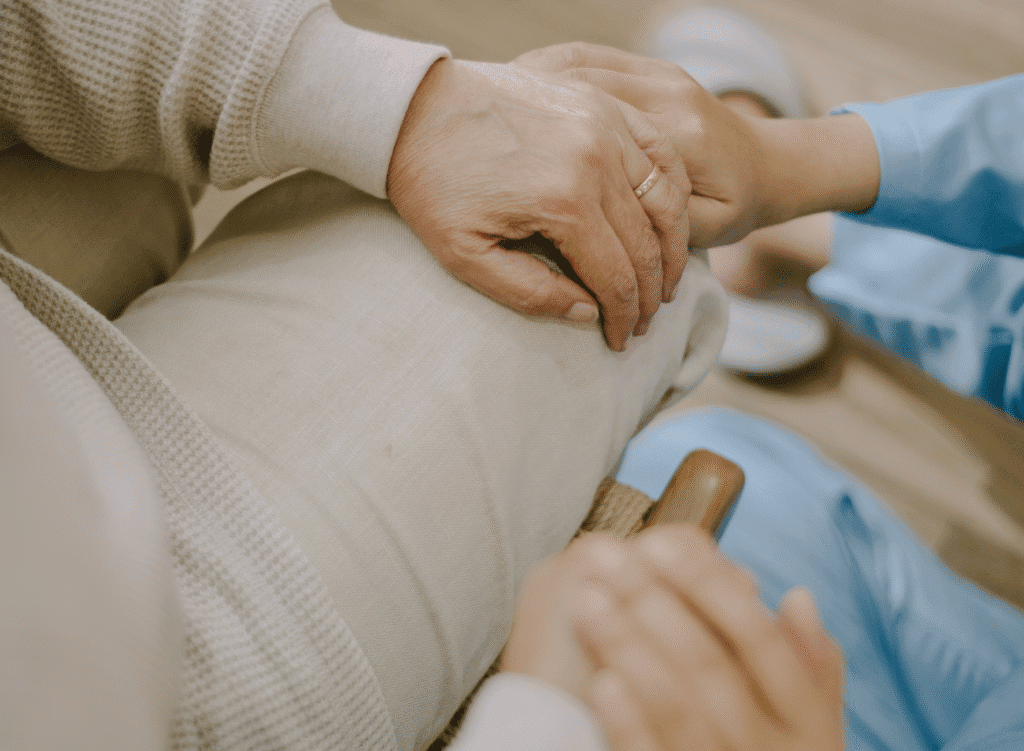
Residential Care and Sober Living Communities
Residential care homes—sometimes referred to as board and care homes or group homes—typically serve fewer residents and provide more hands-on, specialized care in a smaller, home-like setting. These environments may be ideal for individuals with cognitive impairments, dual diagnoses, or those in addiction recovery who benefit from more personal attention and consistent structure.
The main difference between communities lies in the size, level of clinical or social support, and the environment itself. While larger communities offer a range of care services and social programming, residential care homes focus on a more intimate, supportive atmosphere that may be better suited to people in early recovery or those needing long-term emotional and behavioral stability.
Financial Assistance for Residential Care
Cost is an important factor when exploring residential care options. The average monthly cost varies depending on location, services provided, and the level of care required. Long-term care insurance, financial assistance programs, and veterans’ benefits can help ease the burden for some families.
If you’re looking for ways to cover costs, be sure to ask about:
- Eligibility for financial assistance
- What’s included in the monthly fee (e.g., meals, housekeeping, medication management)
- Additional charges for specialized services like memory care
- The availability of semi-private or shared rooms
- Licensing requirements and standards for the facility
Understanding Medication Management in Recovery Settings
In many residential care facilities and assisted living communities, medication management is a critical part of supporting individuals in addiction recovery. For those dealing with substance use disorders, mental health conditions, or co-occurring diagnoses, the safe and consistent use of prescribed medications can make a significant difference in maintaining sobriety and overall health.
Medication management services vary across residential facilities, but may include:
- Daily medication reminders and self-administration support
- Oversight by licensed staff or coordination with medical facilities
- Monitoring for side effects, misuse, or interactions with other medications
- Education on the role of medications in treating addiction or withdrawal symptoms
- Support for individuals using medication-assisted treatment (MAT) such as Suboxone, Vivitrol, or methadone
Some residential care options—particularly those with on-site nurses or partnerships with healthcare providers—are better equipped to handle complex medication needs. For individuals transitioning from detox or inpatient treatment, this level of personal care assistance can support a stable, structured recovery.

Other Opportunities for Medical Care Services Beyond Residential and Assisted Living
While residential care facilities and assisted living facilities play an important role in structured addiction recovery, they are not the only path forward. For individuals managing substance use disorders, mental health challenges, or co-occurring conditions, there are various forms of care that offer flexibility, independence, and continued support.
Whether you’re transitioning out of inpatient treatment or seeking alternatives to full-time care, the following options may help meet your needs for personal care assistance, stability, and sobriety support.
Outpatient Treatment Programs
Outpatient rehab offers structured therapy while allowing residents to live at home or in recovery housing. These programs provide counseling, group sessions, and medication management without the full-time commitment of residential care facilities. They are ideal for individuals needing flexibility for work, school, or family responsibilities while maintaining accountability.
Sober Living Homes
Sober living environments—also known as living communities—offer a home-like environment with peer support, drug testing, and house responsibilities. Often located in suburban areas, these homes provide structure and connection for individuals transitioning out of inpatient rehab. Residents continue practicing life skills and daily activities essential to long-term recovery.
Partial Hospitalization Programs (PHPs)
A step down from inpatient treatment, Partial Hospitalization Programs (PHPs) offer intensive therapy and medical oversight during the day, while allowing participants to return to their residential care options in the evening. These programs are often paired with medical facilities and designed for individuals needing close clinical support without full hospitalization.
Intensive Outpatient Programs (IOPs)
For those who no longer require 24/7 supervision but still benefit from therapeutic structure, IOPs are a flexible solution. These programs typically run several days a week and include individual therapy, relapse prevention groups, and substance use education. They can be integrated into existing residential facilities or offered through standalone services.
Specialized Recovery Housing with Support Services
Some recovery homes cater to specific needs—such as memory care for individuals with cognitive challenges related to long-term substance use, or dual diagnosis housing that combines addiction recovery with mental health treatment. These residential facilities offer targeted support with personalized routines, life skills coaching, and access to case managers or peer mentors.
Whether you’re stepping down from inpatient care or building a long-term plan for sobriety, there are many residential care options and supportive programs to explore. From daily tasks like medication management to meaningful social connection, the amenities offered in these environments can help individuals reclaim their independence while staying connected to the recovery community.
Is Residential Care Right for You or Your Loved One?
Residential care may be a great fit for individuals who:
- Need help with daily living activities but not constant medical supervision
- Are experiencing cognitive decline or mobility issues due to substance use disorder
- Would benefit from social connection in living communities
- Require consistent medication management and personalized care
- Have had a recent decline in physical and mental health
If your loved one is navigating recovery or a combination of mental health and medical conditions, residential care can offer the support, structure, and well-being they deserve.

Find the Right Residential Care With Sober Centers of America
At Sober Centers of America, while we don’t operate treatment facilities, we make it easier to understand them. Our goal is to empower individuals and families with clear, reliable information about residential care facilities, assisted living communities, and other recovery-centered support options. Whether you’re exploring care for yourself or a loved one, we provide trusted insights to help you navigate your choices with confidence.
Contact us today to learn more about the different types of residential care, compare services, and connect with the resources you need to make informed, supportive decisions.
Sources
National Institute on Drug Abuse. Treatment Approaches for Drug Addiction DrugFacts. National Institutes of Health, 13 June 2023, https://nida.nih.gov/research-topics/treatment.
Greenfield, Shelly F., et al. “Outpatient Addiction Treatment for Women: A Systematic Review.” Harvard Review of Psychiatry, vol. 32, no. 2, 2024, pp. 142–154. PubMed Central (PMC), https://pmc.ncbi.nlm.nih.gov/articles/PMC10907605/.